
Eastern Africa Association
Eastern Africa Association
The Eastern Africa Association is a source of insightful and helpful publications, guides, and advice for all visitors to our website. Contributors include EAA analysts, our Members, and a wide range of experts and official commentators. As a key service for Members only, we produce a regular Newsletter which contains our analysis of developments in the region.
You can search for material using the filters below, or access the latest publications in the library further down the page.
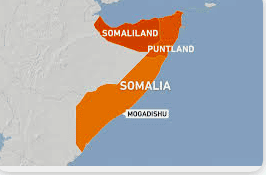
The return of piracy at the Somalia coast is a major concern and security risk. The President has committed to elections within 7 months, but the necessary arrangements and infrastructure are lacking. Controversy around dual citizenships by some of the leaders in the country raises the question of allegiance.
Read More
One is a capital that came within hours of a wider conflagration over a disputed mandate, a security campaign in stalemate, and external relationships under strain. The other is a fragile but real return to dialogue, active regional mediation, and institutions even an archive being painstakingly rebuilt. If the ongoing talks hold and yield a credible electoral roadmap, the security and economic agendas can move back to the centre; if they collapse, as the Halane round did, the violence will look like a preview rather than an aberration. Members with exposure should treat the electoral timetable as the key…
Read More
As the President’s mandate lapses and his Federation splinters, foreign powers are pouring money and hardware into Somalia and its breakaway North. Turkey is buying into Mogadishu, the Gulf into Berbera. It is rather obvious that these interests are driven by position first, profits second, the strategic location is defining the business story.
Read More
Somaliland has again become an external test of Somalia’s territorial claim. Offshore oil is drawing in harder security commitments and, potentially, a sharper distinction between preferred partners and slower incumbents. Meanwhile, rising fuel costs are reminding everyone that geopolitical shocks do not stay offshore for long.
Read More
If Mogadishu cannot restore political trust and basic security, while Somaliland continues to turn external alliances into practical gains, the gap between legal sovereignty and effective governance will only grow more visible. And in this part of the world, that gap rarely stays a local matter for long. Somalia, while progressing, has a long way to go.
Read MoreSomalia’s actions asserting authority at the UN, cancelling Gulf agreements and contesting sub-state engagements represent a calculated effort to consolidate control over maritime corridors and project itself as an indispensable actor. Somaliland’s engagements, boosted by Israel’s recognition and Davos visibility, reflect a parallel strategy to translate geography and stability into commercial and diplomatic capital.
Read MoreSomalia successfully managed to secure reduction of USD 2 billion in its debt which should ease the burden on the country. The country’s stock exchange has signed an arrangement with its counter part in Nairobi. Recent remarks about the Somali community in the US could result in reduced diaspora remittances which will be an economic concern.
Read MoreSomalia continues to be plagued by terrorist acts with increased regularity. The economy is feeling the impact of aid reductions this year. Tourism and construction are growing but are at the whim of terrorist attacks.
Read MoreSomalia’s operating environment remains high-risk but not without opportunity. The country continues to demonstrate entrepreneurial energy, particularly in digital finance and logistics. But the political and institutional foundations beneath this activity remain fragile.
Read More